Strange Home Japan
![]()
Research/ future work
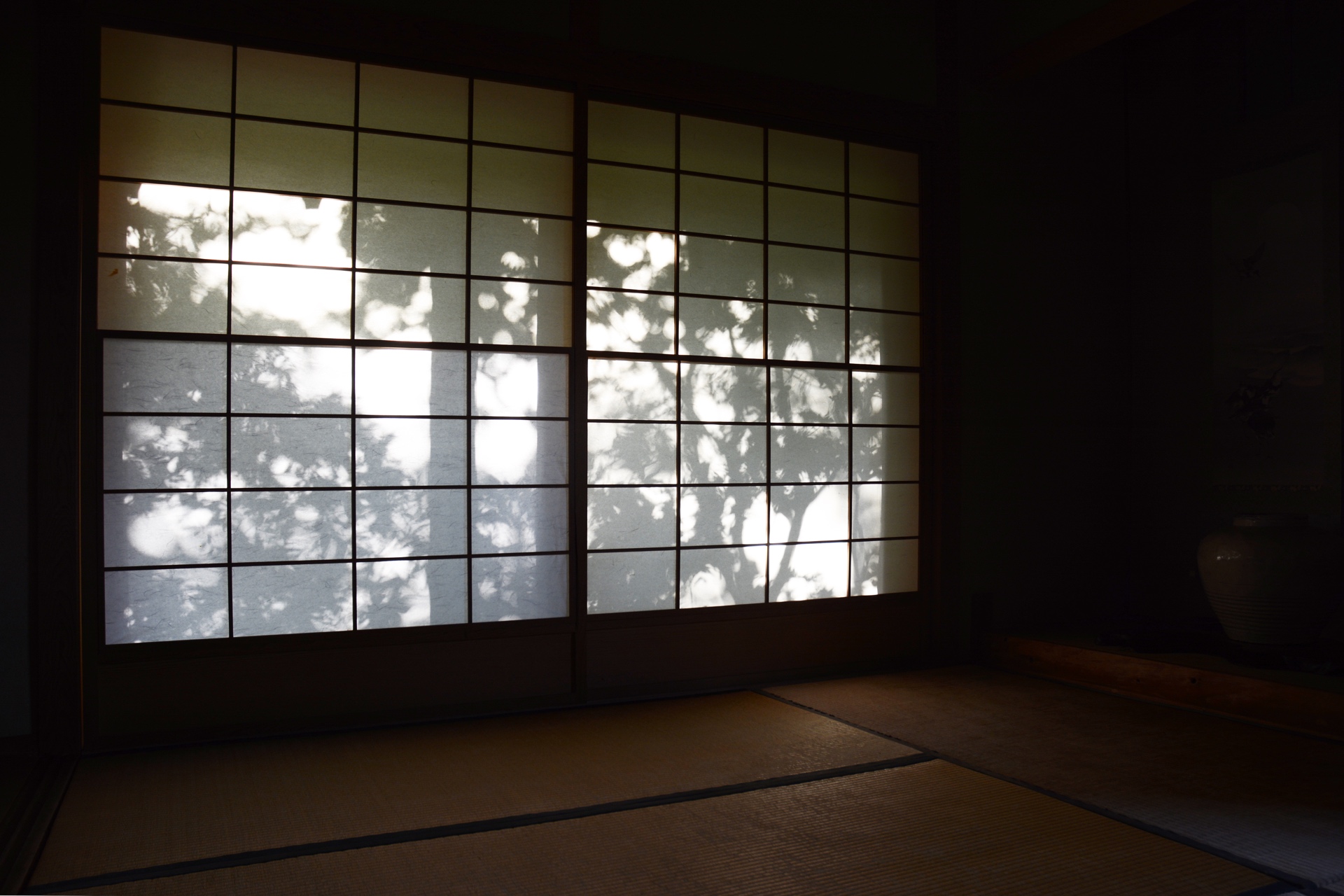
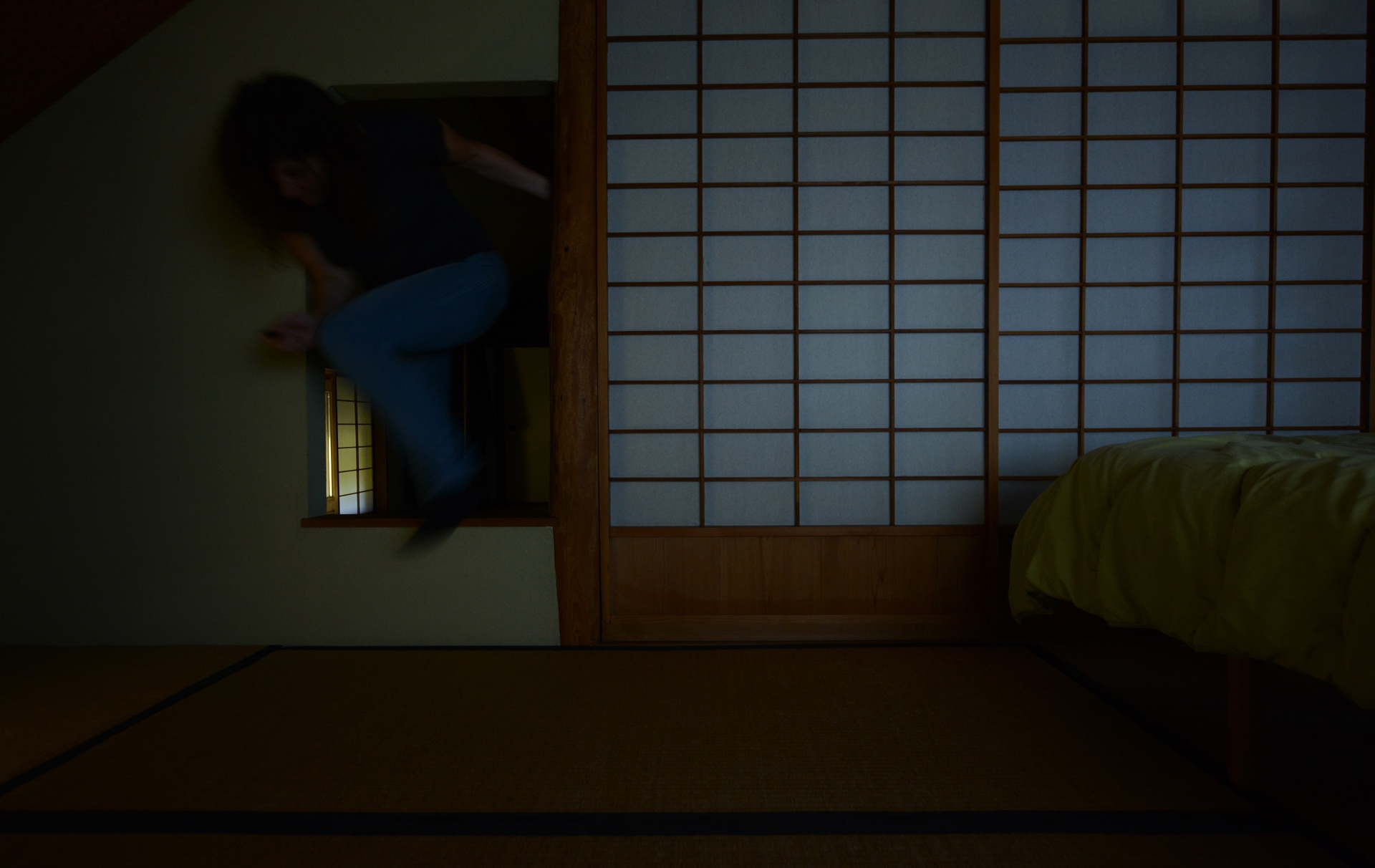
Evelien Cammaert grew up in a traditional Japanese house, set in Flanders, Belgium. In the early 1990's, her father, an antique dealer of Japanese art, transformed a decayed farmhouse near Brussels into a Japanese dwelling, surrounded by a Japanese garden. He meticulously followed architectural traditions—adhering to scale, dimension, color, and material. This unique space profoundly shaped her artistic perception, awareness of architecture, light, and the relationship between culture, objects, nature, and human presence.
The notion of “Strange Home” encapsulates a dual tension: the Western fascination with Japan as an exoticized aesthetic ideal versus her own intimate, affective relationship to it. This research will critically examine how projections, historical narratives, and memory intersect—questioning authenticity, inheritance, and cultural transmission.
Through experimentations and developing participatory and performative strategies, Evelien Cammaert aims to investigate how different perspectives and projections around this topic trigger reflexivity and connection when brought together.
![]()
![]()
![]()
![]()
![]()
Research/ future work
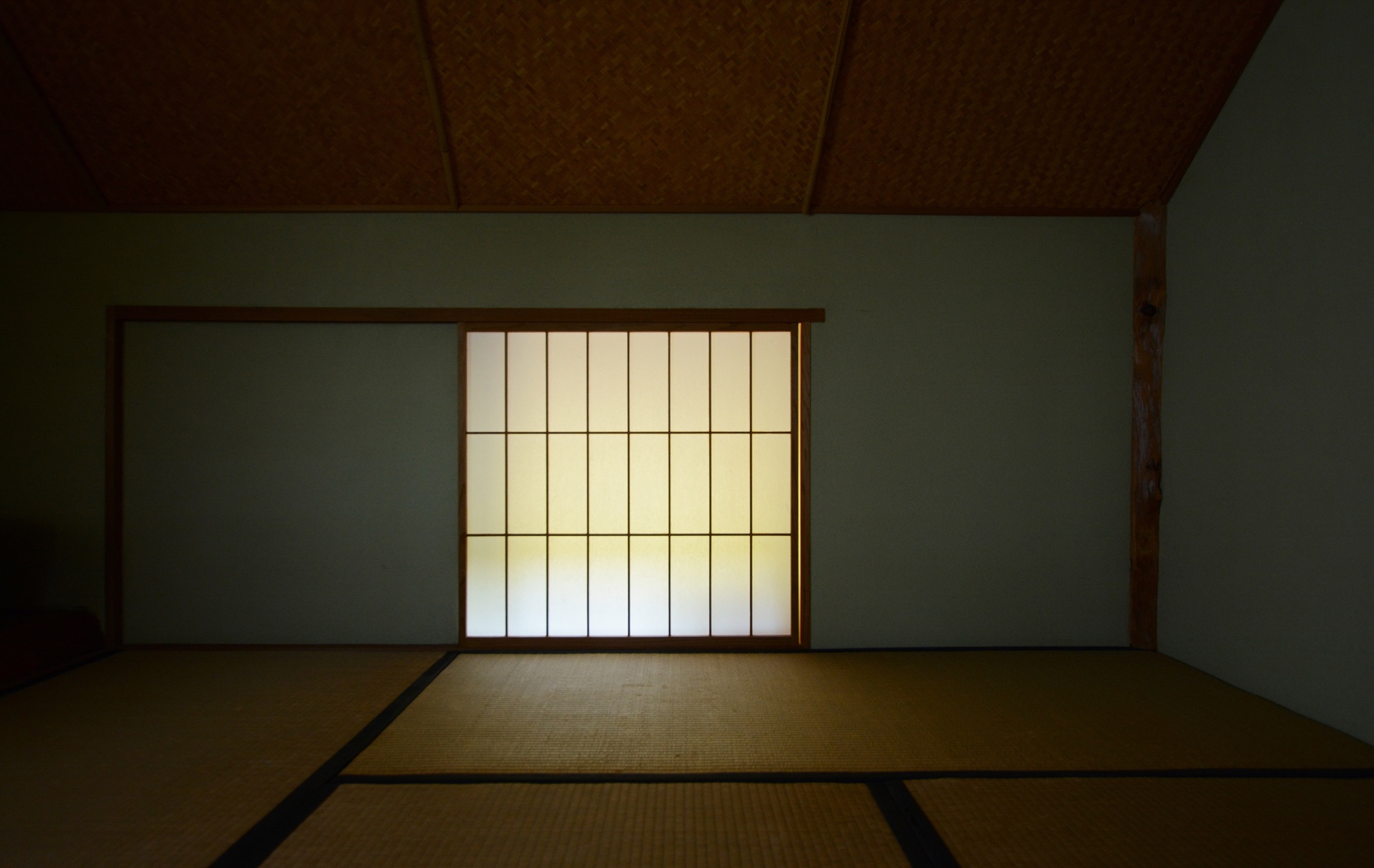
Evelien Cammaert grew up in a traditional Japanese house, set in Flanders, Belgium. In the early 1990's, her father, an antique dealer of Japanese art, transformed a decayed farmhouse near Brussels into a Japanese dwelling, surrounded by a Japanese garden. He meticulously followed architectural traditions—adhering to scale, dimension, color, and material. This unique space profoundly shaped her artistic perception, awareness of architecture, light, and the relationship between culture, objects, nature, and human presence.
The notion of “Strange Home” encapsulates a dual tension: the Western fascination with Japan as an exoticized aesthetic ideal versus her own intimate, affective relationship to it. This research will critically examine how projections, historical narratives, and memory intersect—questioning authenticity, inheritance, and cultural transmission.
Through experimentations and developing participatory and performative strategies, Evelien Cammaert aims to investigate how different perspectives and projections around this topic trigger reflexivity and connection when brought together.